
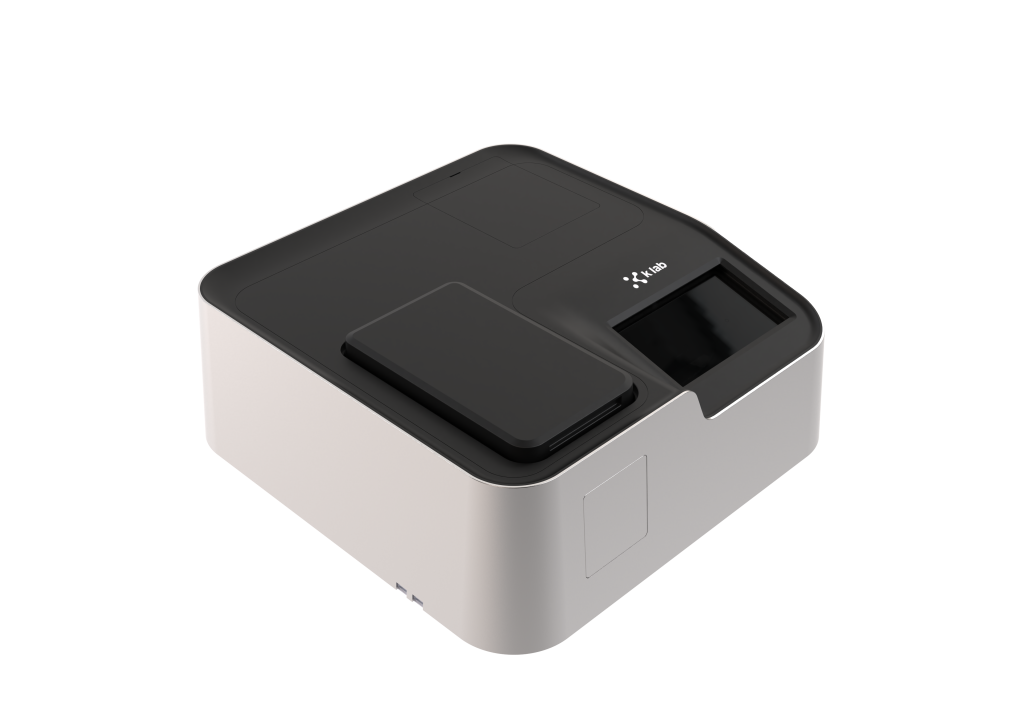
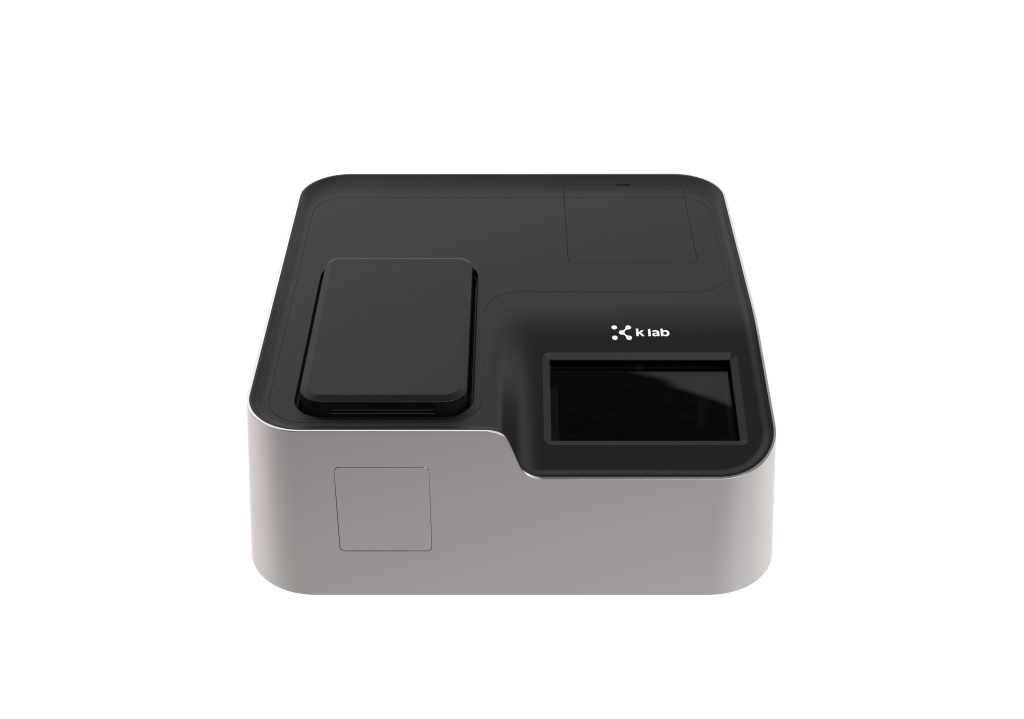
Alpha
(Double-beam)
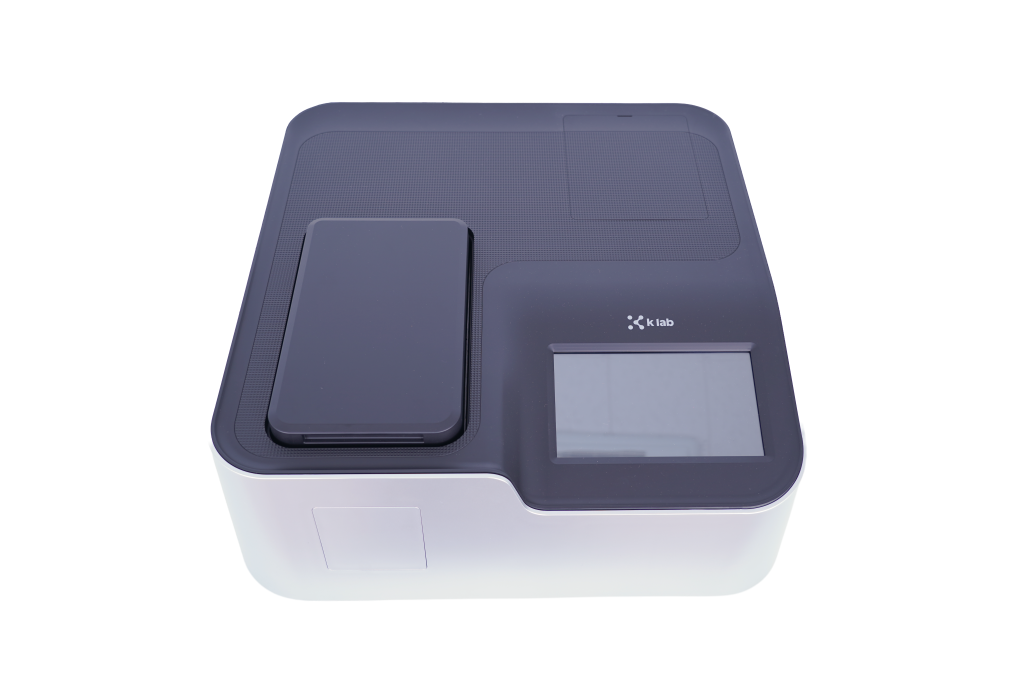
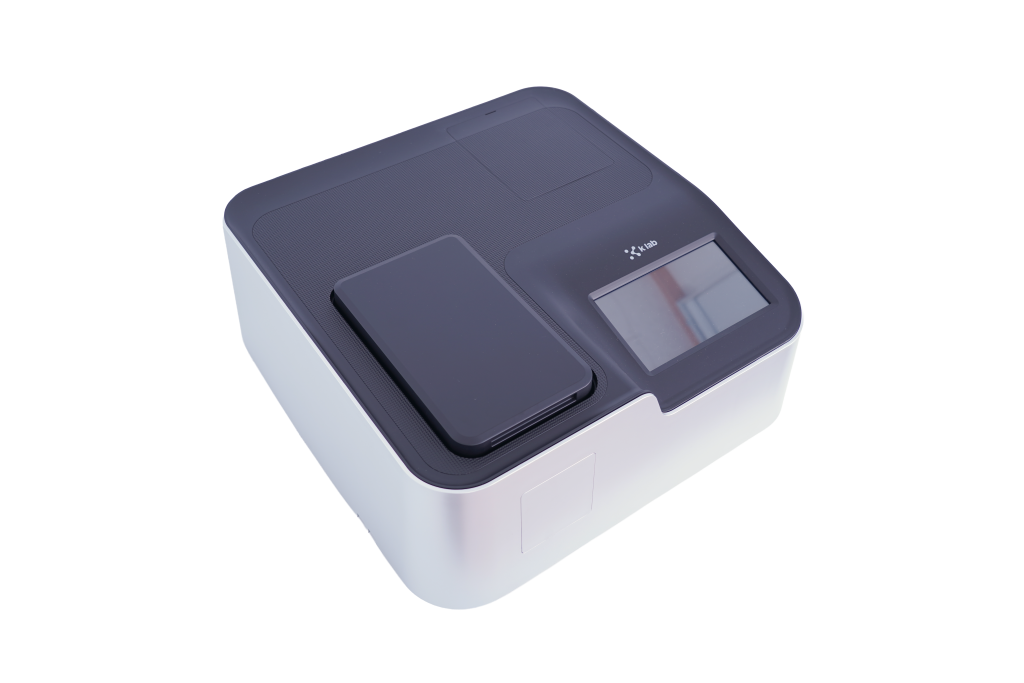
Alpha is a double-beam spectrophotometer designed to eliminate measurement errors caused by light fluctuations over time.
Unlike single-beam systems, it splits the light into two paths to simultaneously measure both the reference and the sample, ensuring higher accuracy and stability.
Overview – Alpha

Alpha (Double-Beam UV-Vis Spectrophotometer)
Alpha is a UV-Vis spectrophotometer that precisely measures transmittance and absorbance across wavelengths to deliver reliable quantitative data such as concentration and purity.
It is suitable for a wide range of applications, from routine analysis to advanced research, and is widely used in environmental, biotechnology, and chemical fields.
Alpha supports four measurement modes—Photometric, Quantitation, Spectrum, and Kinetics—and features embedded software with an intuitive touchscreen interface for efficient operation.
Its advanced optical design and micro-stepping control technology ensure stable and accurate measurements.
Designed for Everyday Laboratory Use
Alpha focuses on what modern laboratories need most:
accuracy, stability, and operational efficiency.
Its intuitive interface and advanced optical design enable precise and reliable measurements with minimal user training, making it ideal for both routine analysis and advanced research environments.
Key Benefits
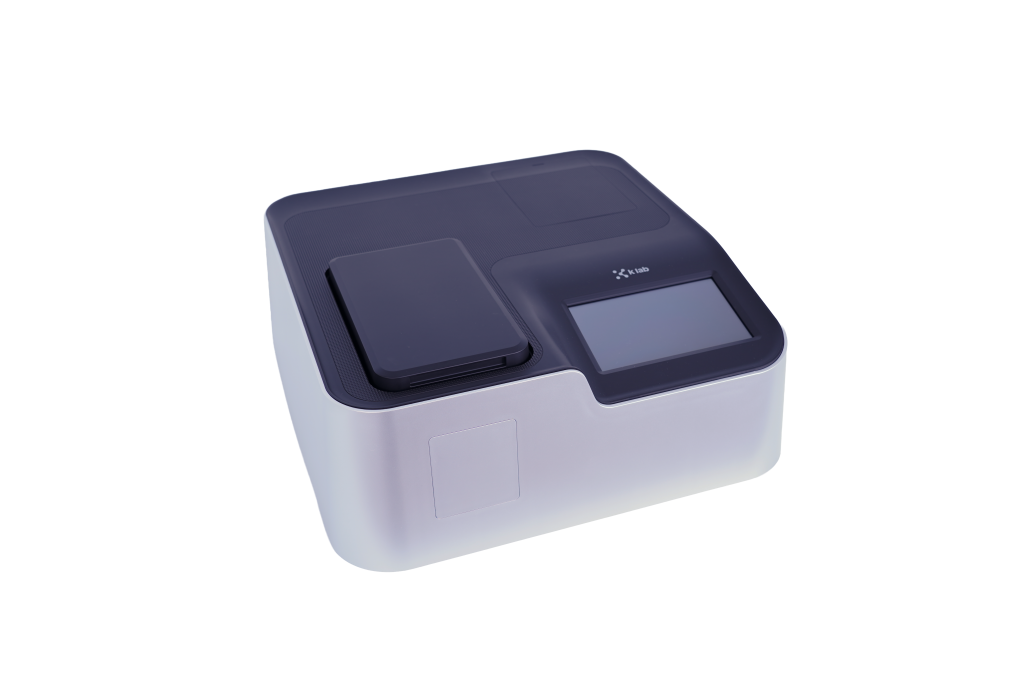
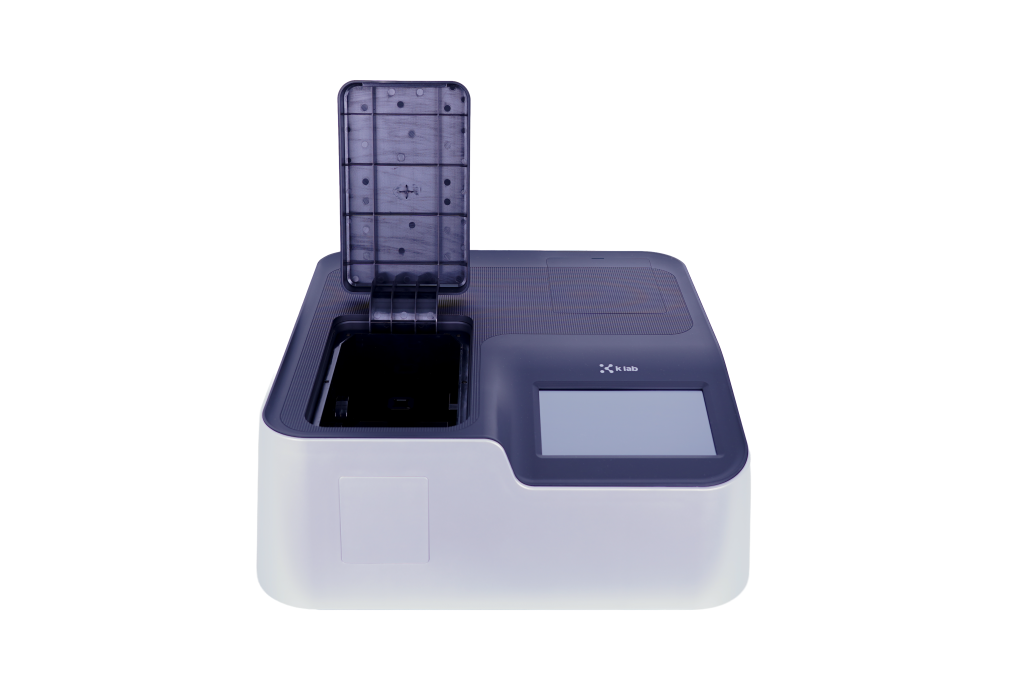
User Convenience
Equipped with PC-level functionality, enabling fast and intuitive operation without the need for an external computer.
Outstanding Analysis Speed
Powered by fast and flexible software, delivering over 1.5× faster analysis compared to conventional systems for quick and accurate results.
Compact Design
Space-efficient and compact design allows for better utilization of laboratory environments.
Rapid Technical Support
With all processes from design to manufacturing carried out domestically, we provide fast and reliable service support.
Wide Expandability
Capable of high-precision, high-resolution measurements across a broad range from UV to visible light, offering flexibility for diverse applications.
Choose the Right Spectrophotometer for Your Needs
Alpha
With its double-beam optical system, Alpha minimizes measurement errors caused by light fluctuations, ensuring highly accurate and reproducible results.
Designed for research and demanding analytical environments, it combines advanced performance with an intuitive user experience.
POP
POP focuses on simplicity and efficiency for everyday laboratory work.
Its single-beam design offers fast and straightforward measurements, making it ideal for routine analysis, education, and high-throughput environments where ease of use is key.
|
Alpha |
POP |
|
|
Measurement Method |
Double-beam |
Single-beam |
|
Application |
Research / QC |
Routine / Education |
|
Stability |
Excellent |
Basic |
|
Spectral Bandwidth |
1.0 nm |
< 1.8 nm |
|
Wavelength Accuracy |
<± 0.3 nm (For entire range) <± 0.1 nm (at 656.1 nm) |
< ±0.5 nm |
|
Photometric Range |
Abs −4 to +4 |
Abs −3 to +3 |
|
Data Reliability |
High reproducibility |
Standard |
|
Cell Holder |
Multi-cell (8 cells) |
Multi-cell (8 cells) |
|
Display |
7-inch (1280 × 800) |
7-inch (1280 × 800) |
|
Weight |
10.5 kg |
10.5 kg |
|
Price Position (vs. POP) |
100% |
~85–90% |
Typical Applications


Performance & Technology
Wavelength accuracy & repeatability
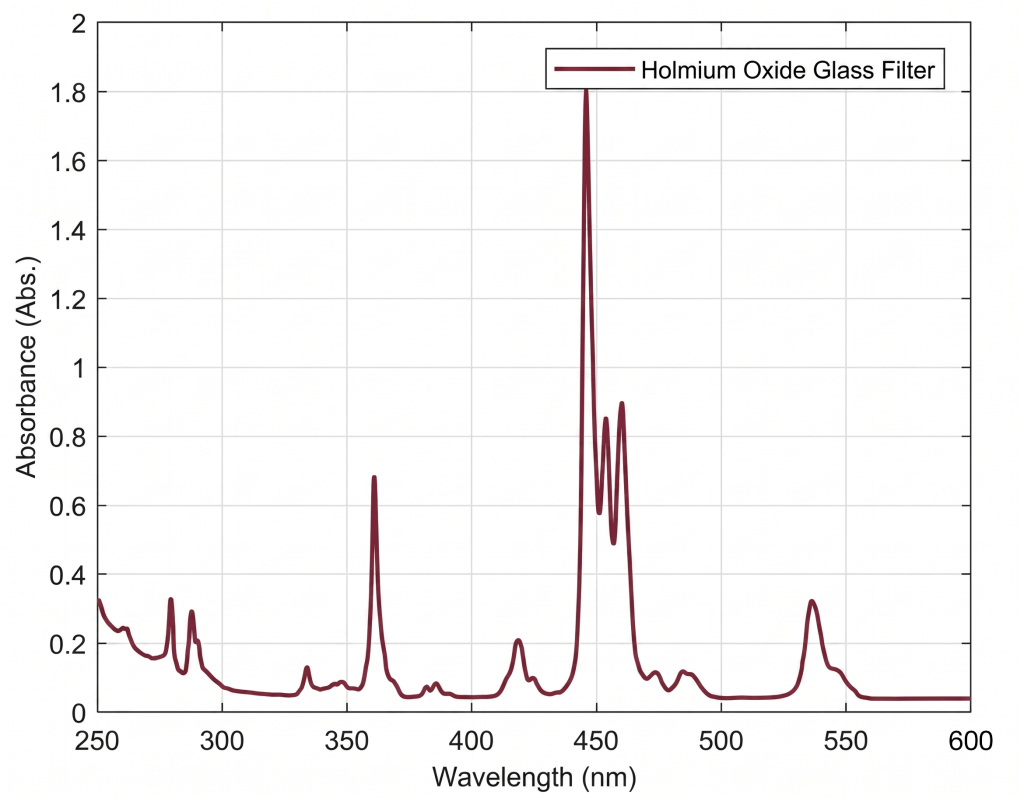
The system achieves a wavelength accuracy within ±0.3 nm and a wavelength reproducibility within ±0.1 nm across the 190–1100 nm range.
The spectral and peak performance have been validated using a NIST-traceable Holmium Oxide Glass filter.
Across multiple reference wavelengths, measured values closely align with specified standards, achieving full PASS validation and ensuring highly reliable analytical performance.
Baseline Flatness
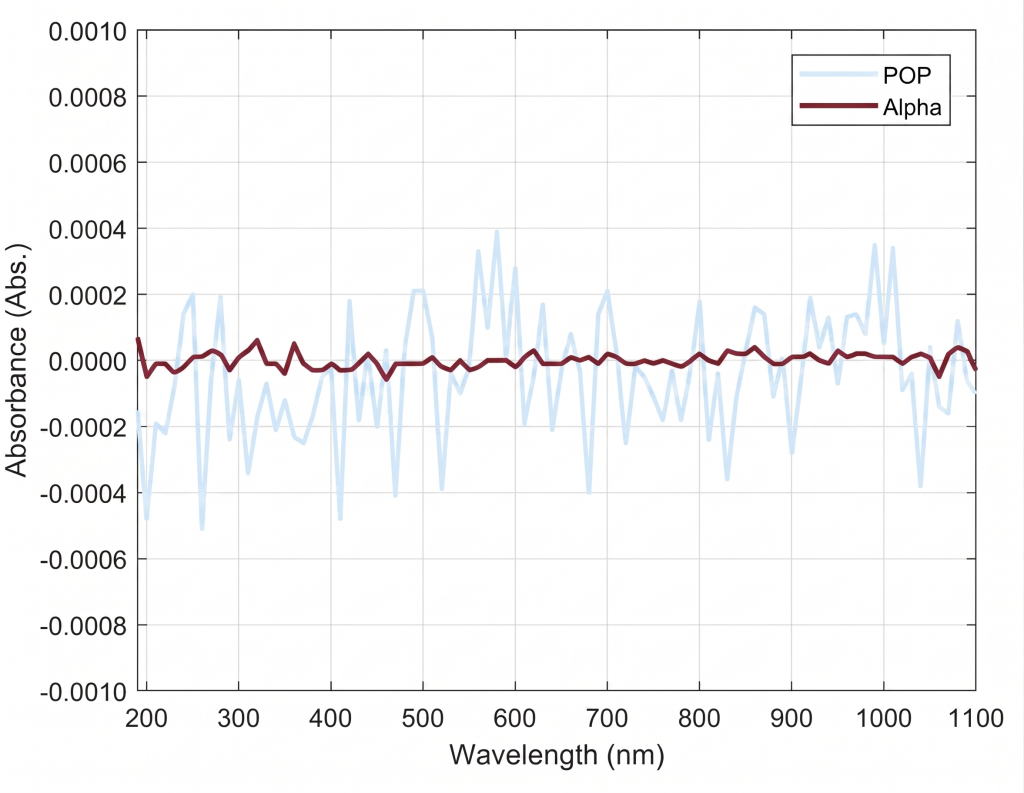
Baseline flatness is maintained within ±0.00025 Abs across the 200–1100 nm wavelength range, ensuring stable and reliable measurement performance.
The measured peak-to-peak baseline variation is 0.00002 Abs, well within the tolerance of ±0.0005 Abs, demonstrating excellent baseline stability.
Noise
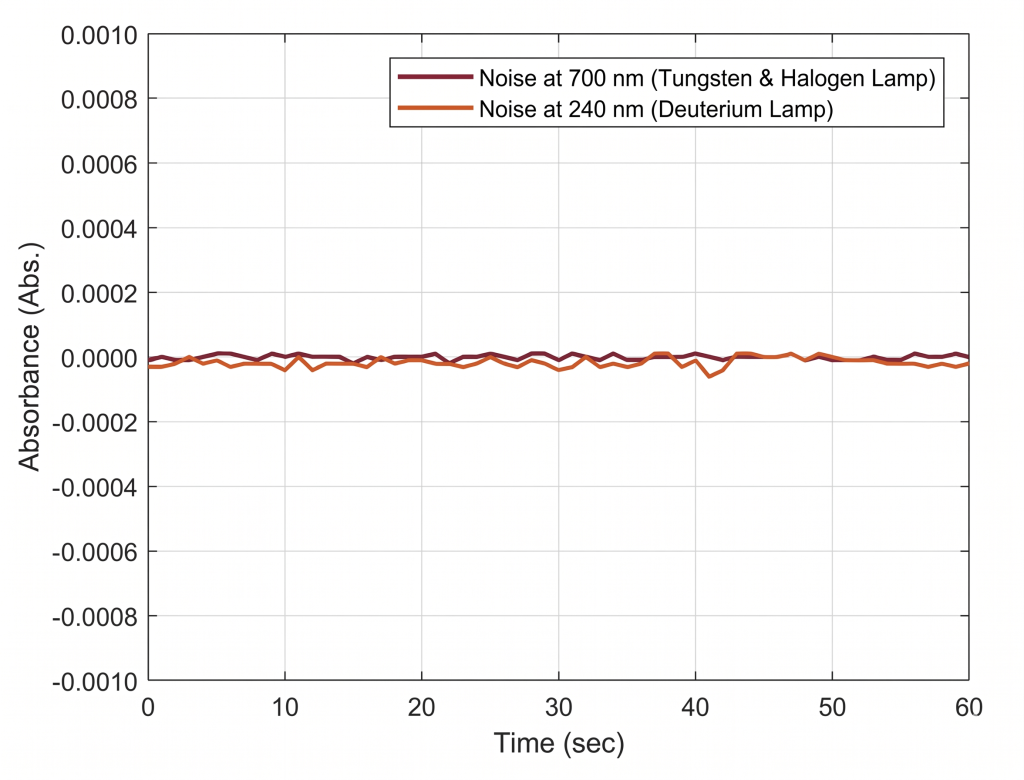
The system meets noise performance criteria with RMS ≤ 0.05 mAbs at 700 nm and RMS ≤ 0.4 mAbs at 240 nm, ensuring stable and reliable measurements across the wavelength range.
At 700 nm (Tungsten & Halogen lamp), the measured noise level shows a peak-to-peak value of 0.03 mAbs and an RMS value of 0.008 mAbs, well within the tolerance of ≤ 0.30 mAbs (P-P) and ≤ 0.05 mAbs (RMS).
At 240 nm (Deuterium lamp), the measured noise level shows a peak-to-peak value of 0.07 mAbs and an RMS value of 0.022 mAbs, also well within the tolerance of ≤ 2.4 mAbs (P-P) and ≤ 0.4 mAbs (RMS).
These results demonstrate excellent noise performance and confirm the system’s capability to deliver highly stable and precise analytical data.
Performance Validation
Alpha delivers outstanding measurement reliability through verified baseline stability and photometric accuracy.
Baseline flatness is maintained within ±0.00025 Abs across the 200–1,100 nm range, with a measured peak-to-peak variation of just 0.00002 Abs—well below the tolerance of ±0.0005 Abs. This ensures highly stable baseline performance for precise absorbance measurements.
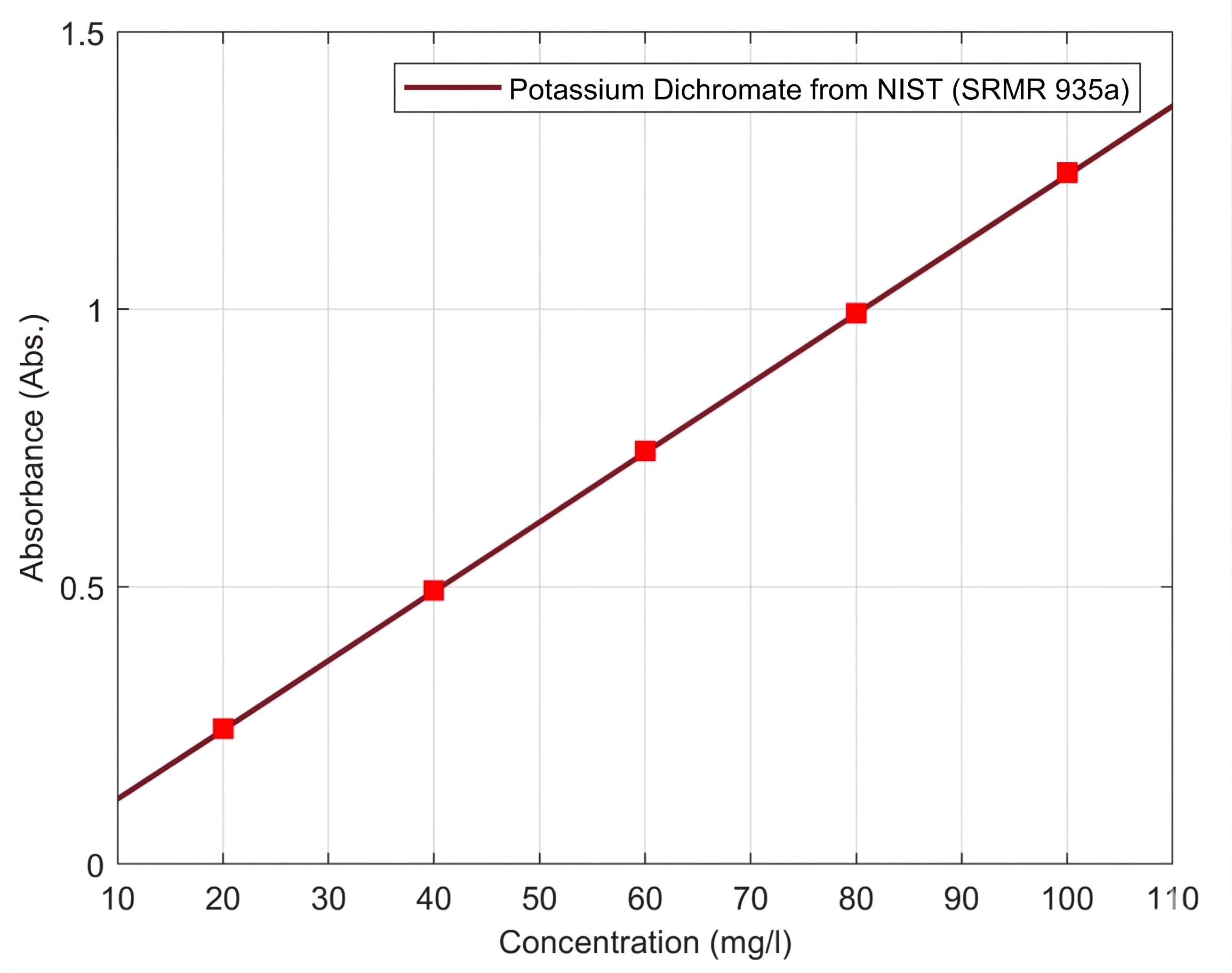
Photometric accuracy has been validated using a NIST-traceable potassium dichromate standard (SRM 935a), achieving accuracy within ±0.005 Abs at 1.0 Abs.
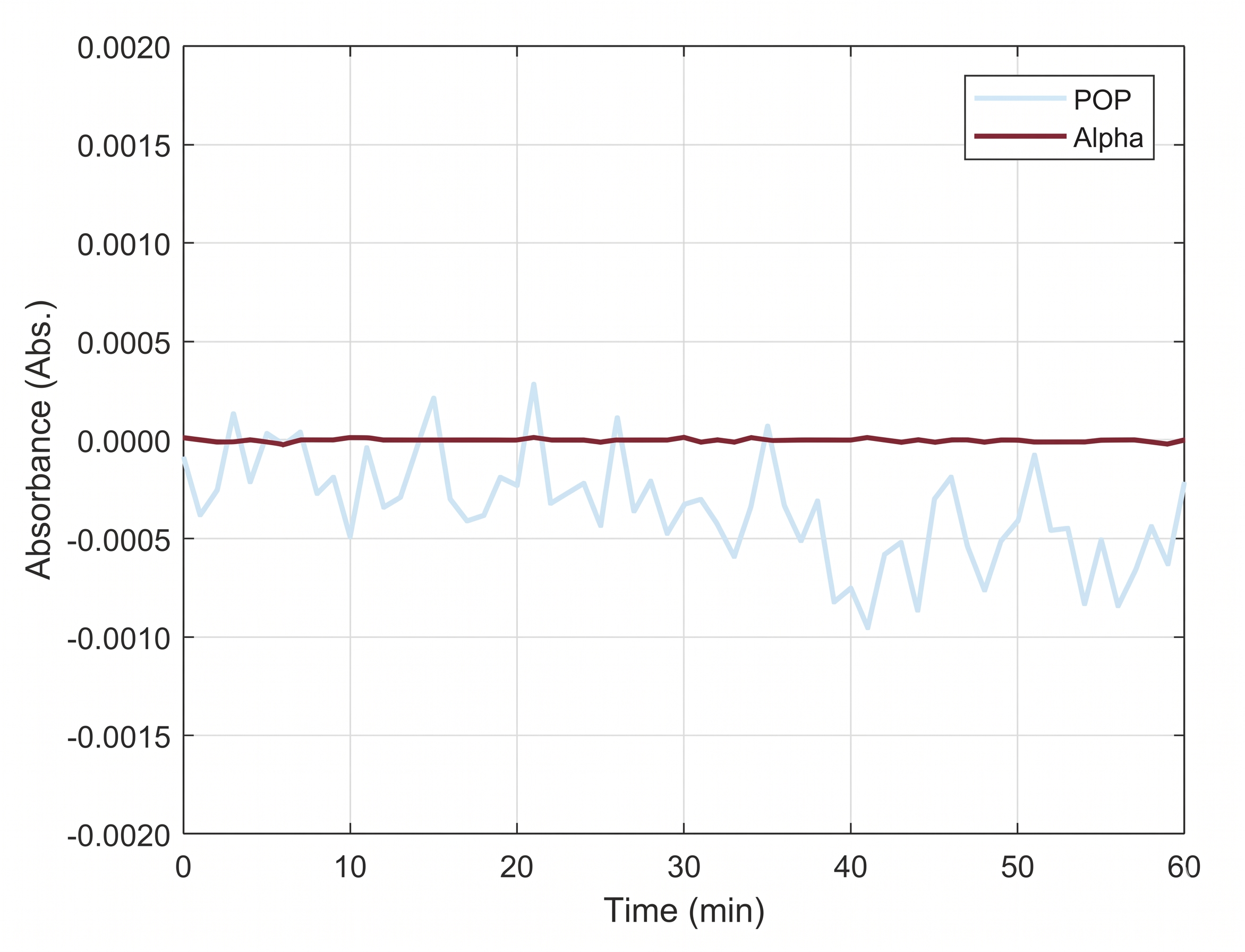
In addition, repeated measurements confirm excellent reproducibility, with a standard deviation of 0.000009 Abs.
These results demonstrate Alpha’s capability to deliver highly accurate, stable, and reliable analytical data across a wide range of applications.
Measurement Modes & Analytical Capability
Alpha integrates multiple analytical modes into a single, intuitive platform:
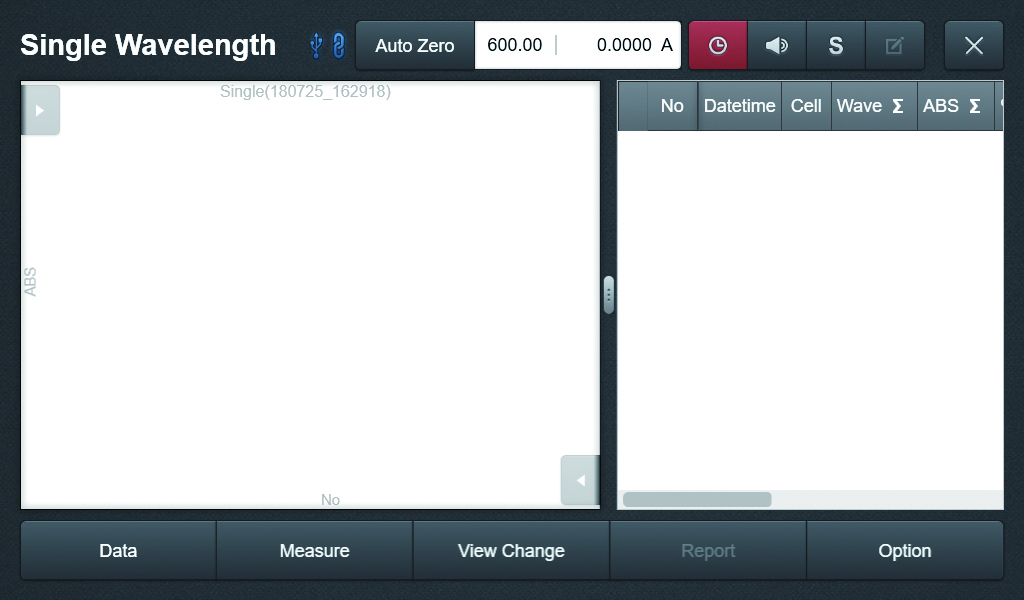
Photometric Mode
Measures absorbance or transmittance at selected wavelengths
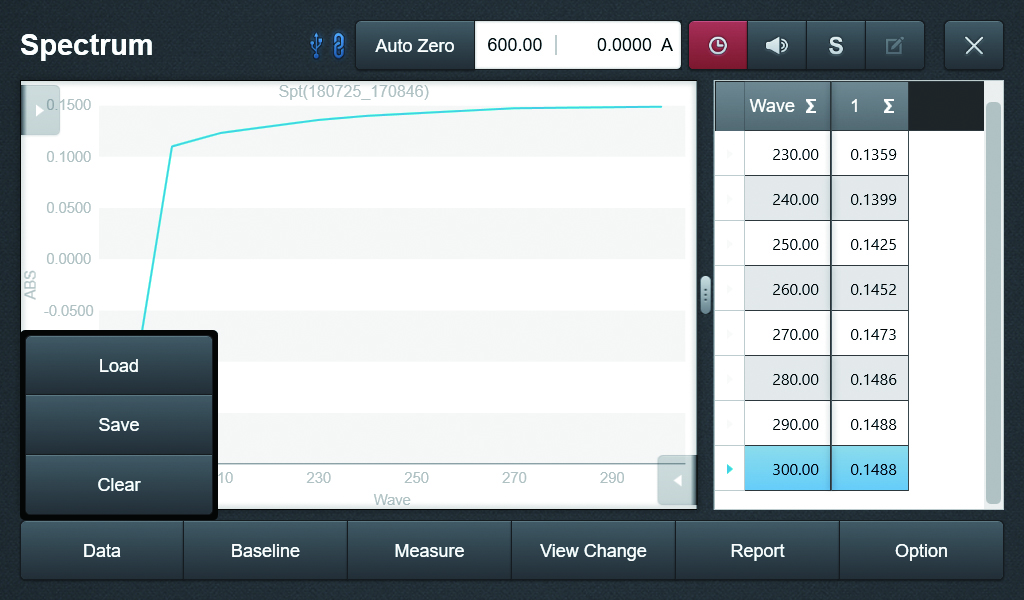
Spectrum Mode
Acquires full spectra across user-defined wavelength ranges
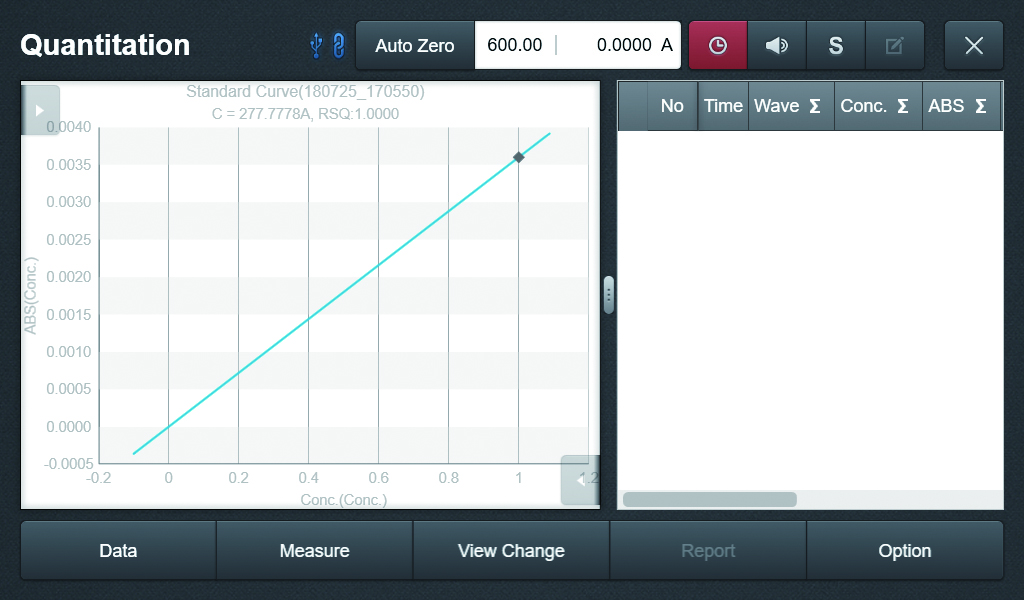
Quantitation Mode
Performs concentration analysis using calibration curves
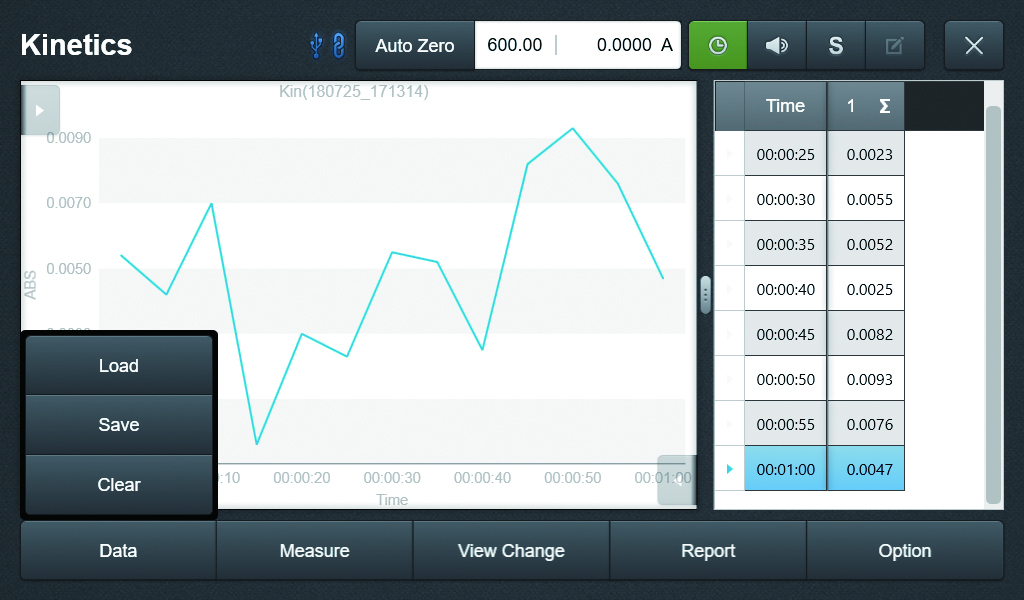
Kinetics Mode
Monitors time-dependent absorbance changes
These modes allow Alpha to adapt seamlessly to diverse analytical requirements, from routine measurements to advanced kinetic studies.
Built-In Test (BIT)
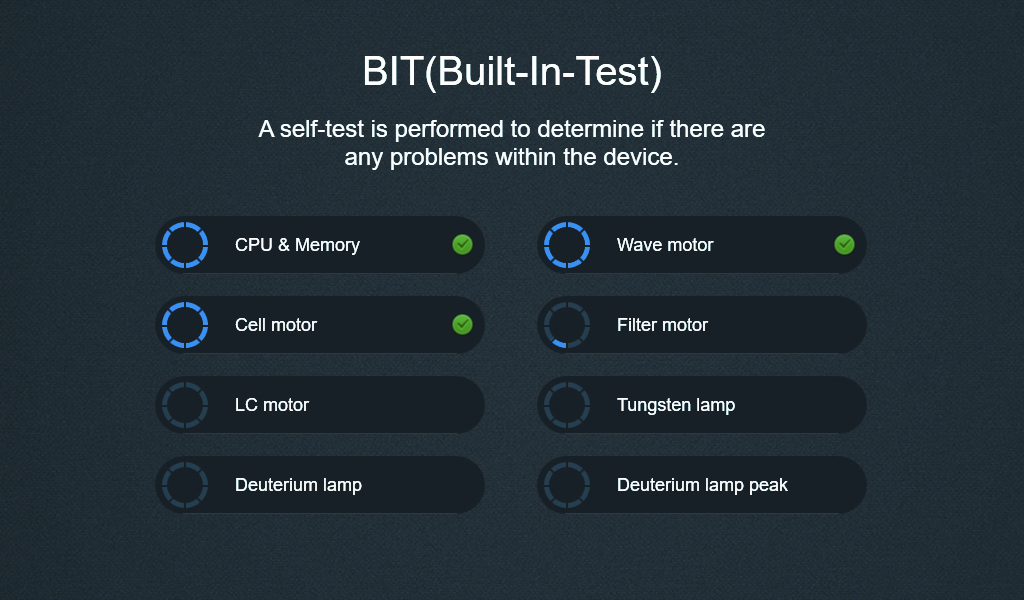
The system automatically performs a self-diagnostic check upon power-up, verifying the status of key components including the CPU, memory, motors, lamps, and calibration.
The results are displayed by item, allowing users to quickly confirm proper operation and maintain optimal system performance.
Self-diagnostic items include: CPU & Memory, wavelength motor, cell motor, filter motor, lamp motor, tungsten lamp, and deuterium lamp.
Software Solution
Alpha offers an integrated software ecosystem designed to streamline the entire analytical workflow—from measurement and data processing to reporting and compliance.
The system combines intuitive instrument control with powerful data management and regulatory support, enabling users to efficiently perform analysis, manage results, and ensure data integrity within a unified environment.
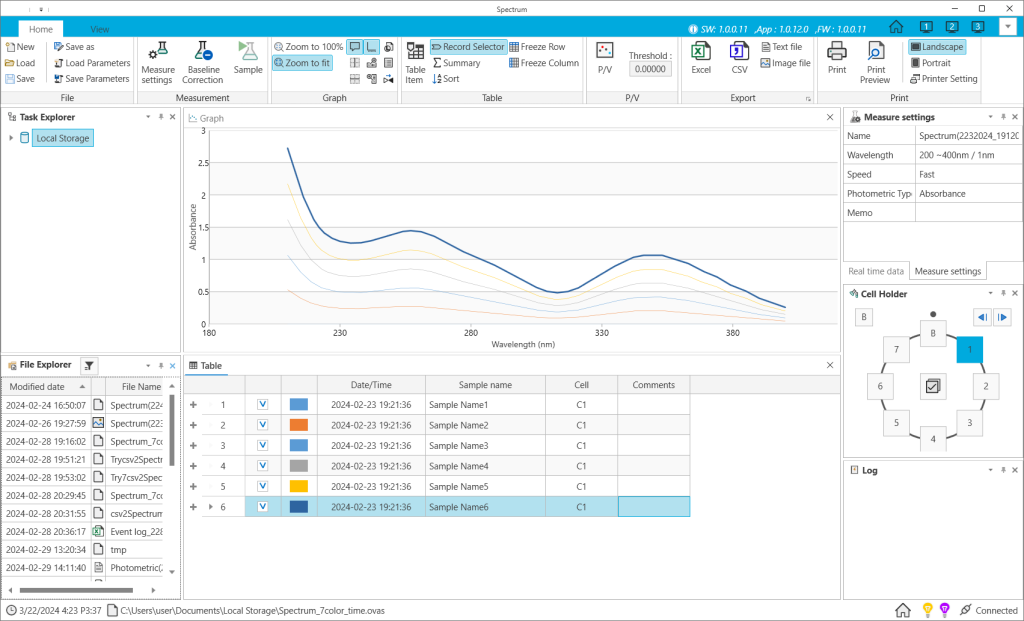
View is a Windows-based PC software designed for efficient instrument control and data management in a familiar desktop environment.
It supports the complete workflow from real-time measurement and data analysis to post-processing and report generation.
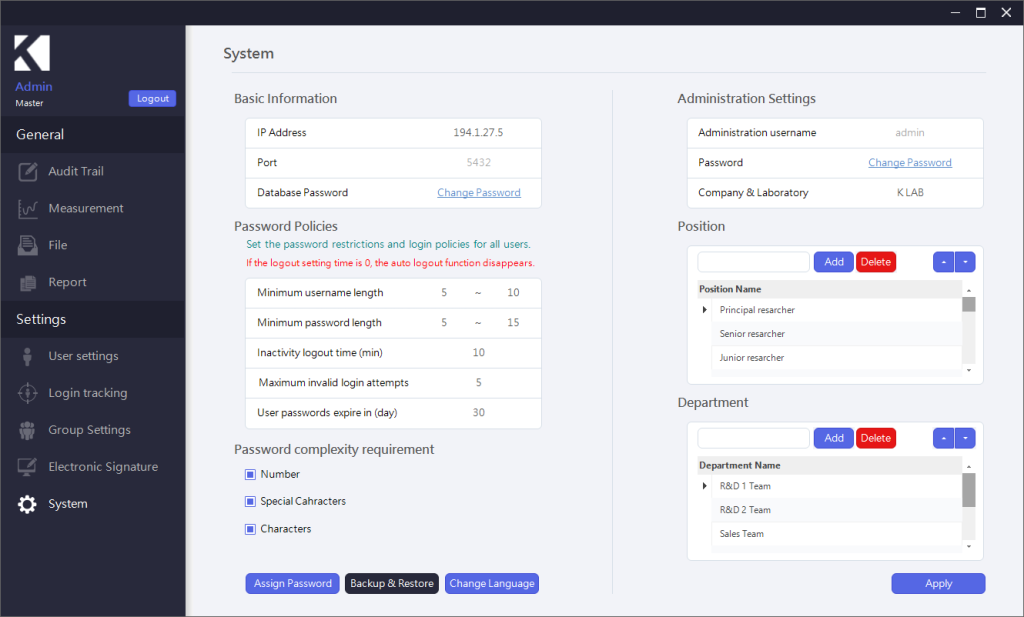
Secure is an optional compliance software that enables full traceability and data integrity for regulated environments.
It records and monitors all user activities in conjunction with View, supporting compliance with FDA 21 CFR Part 11 requirements.
Specifications
Photometrics System
Double-beam type
Light Source(s)
Tungsten halogen lamp, Deuterium lamp
(Built-in light source auto interchanging motor)
Detector
Silicon Photodiode
Spectral Bandwidth
1.0 nm (190 to 1,100 nm)
Wavelength Range
190 to 1,100 nm
Wavelength Display (setting)
0.05 nm
Wavelength Accuracy
<± 0.3 nm (For entire range)
<± 0.1 nm (at 656.1 nm)
Wavelength Repeatability
<± 0.1 nm
Wavelength Slew Rate
25,000 nm/min
Scanning Speed(Max)
6,000 nm/min
Lamp interchange Wavelength
340 to 410 nm (Default 370 nm)
Photometric Range
4 Abs
Photometric Display
Absorbance: -4 A to 4 A
Transmittance: 0% to 400%
Photometric Accuracy
<± 0.002 Abs (0 to 0.5 Abs)
<± 0.004 Abs (0.5 to 1 Abs)
<± 0.006Abs (1 to 2 Abs)
(NIST SRM 930d/1930 or equivalent)
Environmental requirements
Temperature: 15 °C to 35 °C
Humidity: 30 % to 80 %
Baseline Stability
<0.0003 Abs/h
(700 nm, after one hour warm-up)
Baseline Flatness
<0.0005 Abs rms
(190 to 1,100 nm, after one hour warm-up)
Photometric Repeatability
± 0.0002Abs at 0.5 Abs
± 0.0006Abs at 1.0 Abs
± 0.0010Abs at 2.0 Abs
Stray Light
< 1.00 % (at 198 nm with 1.2% KCl)
< 0.05 % (at 220 nm with 0.1% NaI)
< 0.05 % (at 340 nm with 0.5% NaNO2)
Photometric noise
< 0.00005 Abs rms (at 700 nm)
Monochromator
Czerny-Turner type with 1,200 lines/nm blazed grating
Standard Cell Holder
Automatic Rotary type 8-position Multi-Cell Holder
Operating System (OS)
Windows 10 (Embedded PC)
Display
8 inch color LCD with touch screen
Control Options
Stand-alone, PC
Dimensions(W*D*H)
520 × 500 × 200 mm
Power Requirement
AC 100-240 V, 50/60 Hz, 140 VA
Weight
14 kg
PC Software
(optional) Secure for FDA 21 CFR Part 11 compliance
(optional) View for advanced measurement
Connectivity
RJ45 ethernet, USB A type * 2, RS-232 * 1, USB B type * 1
Support
Downloads
Applications
Troubleshooting
-
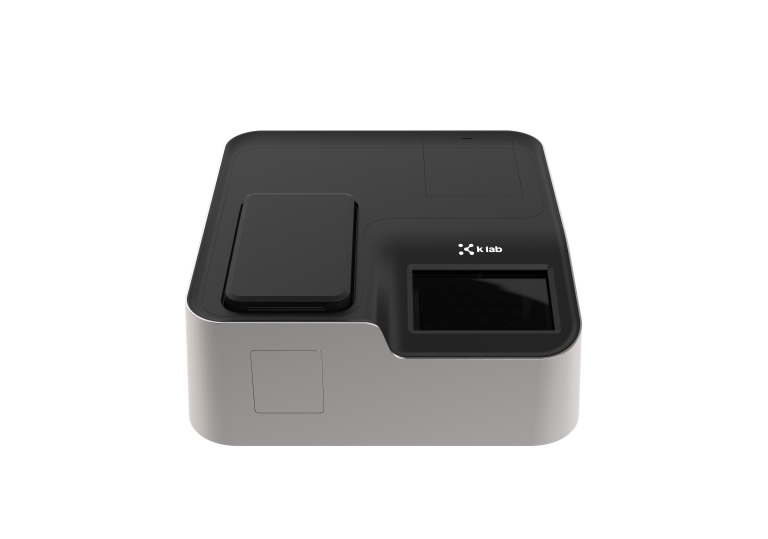
How to open the Lamp cover for Alpha
How to open the Lamp cover for Alpha Procedure on how to open the lamp cover in Alpha#TS-AD1032-001 Introduction Procedure
GET A QUOTE?
Request a Quote.
Whether you’re exploring options or ready to move forward, our team is here to help. Contact your local dealer or submit a quote request and we’ll provide a competitive offer based on your specific requirements.
Trusted by leading companies: